Tag Archives: electrician

5 Tips For Properly Installing A Ceiling Fan


Notice: Trying to access array offset on value of type null in /dom694484/wp-content/plugins/seo-image/seo-friendly-images.class.php on line 713

Notice: Trying to access array offset on value of type null in /dom694484/wp-content/plugins/seo-image/seo-friendly-images.class.php on line 713

Notice: Trying to access array offset on value of type null in /dom694484/wp-content/plugins/seo-image/seo-friendly-images.class.php on line 713

Notice: Trying to access array offset on value of type null in /dom694484/wp-content/plugins/seo-image/seo-friendly-images.class.php on line 715

Notice: Trying to access array offset on value of type null in /dom694484/wp-content/plugins/seo-image/seo-friendly-images.class.php on line 715

Notice: Trying to access array offset on value of type null in /dom694484/wp-content/plugins/seo-image/seo-friendly-images.class.php on line 718

Notice: Trying to access array offset on value of type null in /dom694484/wp-content/plugins/seo-image/seo-friendly-images.class.php on line 718

Notice: Trying to access array offset on value of type null in /dom694484/wp-content/plugins/seo-image/seo-friendly-images.class.php on line 885

Notice: Trying to access array offset on value of type null in /dom694484/wp-content/plugins/seo-image/seo-friendly-images.class.php on line 886

Notice: Trying to access array offset on value of type null in /dom694484/wp-content/plugins/seo-image/seo-friendly-images.class.php on line 887

Notice: Trying to access array offset on value of type null in /dom694484/wp-content/plugins/seo-image/seo-friendly-images.class.php on line 888

Notice: Trying to access array offset on value of type null in /dom694484/wp-content/plugins/seo-image/seo-friendly-images.class.php on line 889

ceiling fan installation

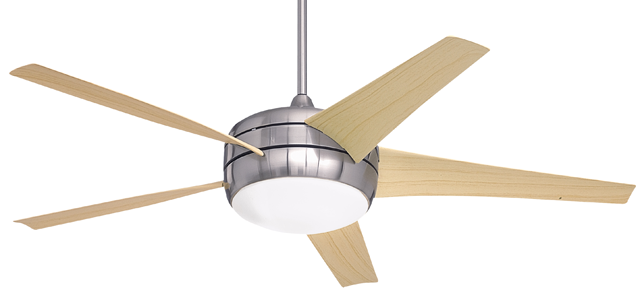
A ceiling fan helps you to cool off during the warm weathers by creating cooling breezes. In winter, ceiling fans circulate heated air to keep your room warm. They can also help keep the indoor air free of any odor, smoke and other offensive airborne substances. Many people now have ceiling fans in their home, and they are not difficult to install. However, installing a ceiling fan requires attention to details, and you must follow some simple rules in order to accomplish this. Here are some tips on how to properly install a ceiling fan.

1. Ensure Stability

A ceiling fan is typically installed onto a ceiling joist to achieve maximum stability. Sometimes people like to put the fan somewhere without a joist, and if this is what you would like to do then get a mounting kit that allows you to place a bracket between two separate joists. Always use the provided installation kit when installing a ceiling fan, and be sure to follow the instructions as provided. Once a ceiling fan starts rotating, it could cause serious damage and injury if it’s not mounted properly.

2. Take Safety Precautions
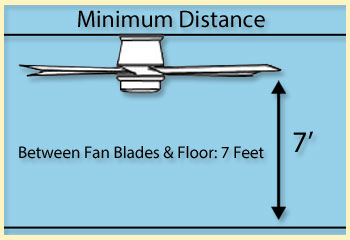
Ceiling Fan Safety
Image Credit: http://www.delmarfans.com/

Make sure electricity to circuit is turned off. After turning the breaker off and you have verified that the current is off, it’s time to start working. Review manufacturer’s instructions on ceiling fan installation procedures. Every manufacturer is different so it’s important to follow their specific instructions. If you are installing a light below the fan, you need to ensure that the two parts are designed to work together.

3. Connect Wires Correctly

Performing the electrical work for a ceiling fan installation can seem easy, but this is not a job for an amateur or inefficient person. Everything looks easy when diagrams or instructions are outlined on paper, but doing the actual work takes a great deal of knowledge of electrical wiring. If you do not have a good understanding of electrical wiring and how to work with electricity, you need to get a qualified professional to do the work.

4. Ensure Proper Balance
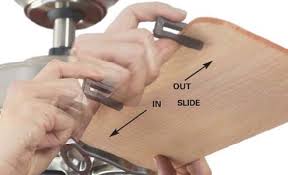
Ceiling Fan Balance

Ceiling fans come already balanced, meaning that once you installed and turned on, the fan should work without any hassle. However, sometimes things don’t go as expected and one of the blades may be warped. Sometimes a ceiling fan may wobbly when it spins. Warped blades should be replaced in order to ensure balance. If the replacement blades do not resolve the wobbling problem, you need to use a ceiling fan balancing kit to straighten out the fan.

5. Considerations

Ceiling fans continue to gain increased popularity as more and more people discover dramatic, year-round energy savings. Having a ceiling fan is a great way to save on your energy costs while staying comfortable, and you need to ensure that it is installed correctly. Make sure that you take safety measures; otherwise you risk causing damage to your property or even injuring yourself or other people in your home. You should turn the circuit breaker off, and make sure that the electricity to the fixture is off. If you are not properly skilled in working with electrical devices or wiring, it is advisable to get a professional to do the work for you.

Electricians Tell Their Secrets: 5 Of The Worst DIY Attempts


Notice: Trying to access array offset on value of type null in /dom694484/wp-content/plugins/seo-image/seo-friendly-images.class.php on line 713

Notice: Trying to access array offset on value of type null in /dom694484/wp-content/plugins/seo-image/seo-friendly-images.class.php on line 713

Notice: Trying to access array offset on value of type null in /dom694484/wp-content/plugins/seo-image/seo-friendly-images.class.php on line 713

Notice: Trying to access array offset on value of type null in /dom694484/wp-content/plugins/seo-image/seo-friendly-images.class.php on line 715

Notice: Trying to access array offset on value of type null in /dom694484/wp-content/plugins/seo-image/seo-friendly-images.class.php on line 715

Notice: Trying to access array offset on value of type null in /dom694484/wp-content/plugins/seo-image/seo-friendly-images.class.php on line 718

Notice: Trying to access array offset on value of type null in /dom694484/wp-content/plugins/seo-image/seo-friendly-images.class.php on line 718

Notice: Trying to access array offset on value of type null in /dom694484/wp-content/plugins/seo-image/seo-friendly-images.class.php on line 885

Notice: Trying to access array offset on value of type null in /dom694484/wp-content/plugins/seo-image/seo-friendly-images.class.php on line 886

Notice: Trying to access array offset on value of type null in /dom694484/wp-content/plugins/seo-image/seo-friendly-images.class.php on line 887

Notice: Trying to access array offset on value of type null in /dom694484/wp-content/plugins/seo-image/seo-friendly-images.class.php on line 888

Notice: Trying to access array offset on value of type null in /dom694484/wp-content/plugins/seo-image/seo-friendly-images.class.php on line 889

man

Image by: sturti

Over 14 million men in Britain have admitted that, when DIY work has gone wrong, it resulted in wrecking their home. More than half confessed to still having at least one DIY project unfinished in their property. Each job on average totals up to £170 – which means that there’s an enormous 2 million pounds worth of DIY fix ups to be done in the UK!

Most people prefer to do their own handy work instead of calling in the professionals. This may seem a cheaper alternative since it would save money to do it yourself rather than paying somebody to do the same job.

But this is how DIY disasters are caused. Electrician Martin from MF Electrical in Heanor agrees: “It is whether it has been done safely and won’t endanger a life. Is it worth taking the risk rather than getting a professional in to do it?”

We asked some professional electricians about some of the worst DIY attempts they had seen. Here’s what they had to say.

Dangerous

“A couple had an immersion heater wired in coax TV cable, an 8.5kw shower wired in orange lawn mower flex. One of the classics we used to see regularly was tin foil wrapped round the old style cartridge fuse in fuse boxes.” – Martin from MF Electrical in Heanor

“I think the worst thing that I’ve found would be a ‘junction box’ in a loft. This was basically the connections snapped out of a light fitting and left underneath loft insulation live and with all the live parts exposed.” – Kirsty from Kirsty Cockerill Electrical

“My friend’s husband took some power out to the garden deck. He ran a socket out there and then ran some lights off that. He did it all in 1mm lighting cable and didn’t consider IP ratings (protection from moisture). He plugged in a couple of heaters. There was a big bang!” – Karen from She’s Electric

Bizarre

“I was called out to a home where the lady of the house was getting a shock as she washed her hair in the kitchen sink. It turned out to be a DIY light at the bottom of the stairs her husband had installed – I’ll leave it up to you to decide whether or not it was intentional!” – Roger from C.J. Timms

“Joists catching fire, since the builder drilled half of it out so that his downlight would fit, sockets and showers with no earth, whole houses with no earthing, circuit tripping as a socket under sink was full of spilled fabric conditioner.” – Donna from ATB Electrical

So now you know how not to do it, here are few sage words of wisdom from those electrical pros in the know. 

Helpful Tips

“If you have an old-style fuse box, get it replaced. It could save you and your family’s lives.” – Roger from C.J. Timms

“Never risk it and check it yourself. Most electricians will give you free advice, so if in doubt just give someone a call. It could end up costing you more in the long run if you try to fix it yourself.” – Kirsty from Kirsty Cockerill Electrical

“Just because it works doesn’t necessarily mean its safe. If you are at all worried about your electrics, get them properly tested.” – Donna from ATB Electrical

So what’s the moral of the story, boys and girls? Don’t try attempting any DIY work if you’re not 100% what you’re doing. You may end up paying out more to repair any faulty D.I.Y than actually having a professional do it for you.

Have you ever had a disastrous DIY attempt? Or got any of your own tips? Let me know in the comments below.

Sarah Garvey has a fair share of knowledge of electrician DIY work, especially about ICT and from her own personal experience. She recommends Alert Electrical.